
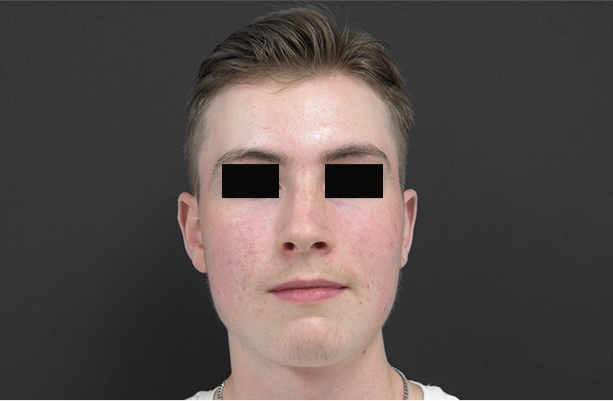
Acne is one of the most common skin conditions worldwide, affecting millions of people of all ages. While traditional treatments like topical creams, antibiotics, and skincare routines are effective for many, some individuals struggle with persistent breakouts that don’t respond well to conventional therapies. For these cases, acne laser therapy has emerged as a promising, non-invasive solution that targets acne at its source and helps improve skin health over time.
In this article, we’ll explore what acne laser therapy is, how it works, the types of lasers used, benefits, risks, and what patients can expect during and after treatment.
What Is Acne Laser Therapy?
Acne laser therapy is a dermatological procedure that uses focused light energy to treat active acne, reduce inflammation, and prevent future breakouts. Unlike topical treatments that work on the surface of the skin, lasers penetrate deeper layers to kill acne-causing bacteria, reduce oil production, and stimulate skin healing.
Laser therapy can be used alone or in combination with other acne treatments such as chemical peels, medications, or extractions, depending on the severity and type of acne.
How Does It Work?
Laser therapy targets the root causes of acne:
- Kills P. acnes bacteria: These bacteria thrive in blocked pores and contribute to inflammation. Certain lasers emit light at wavelengths that destroy these bacteria without harming surrounding skin.
- Reduces sebum (oil) production: Overactive sebaceous glands can cause clogged pores. Laser energy can shrink these glands, reducing the amount of oil produced.
- Minimizes inflammation: Lasers help calm inflamed skin and reduce the redness and swelling associated with active breakouts.
- Stimulates collagen production: Some laser treatments also promote collagen growth, which can help heal acne scars and improve skin texture over time.
Types of Lasers Used for Acne Treatment
Several types of lasers and light-based devices are used in acne treatment. The right one depends on your skin type, acne severity, and treatment goals.
1. Blue Light Therapy (LED Light)
- Targets P. acnes bacteria directly
- Painless and suitable for mild to moderate acne
- Often combined with red light to reduce inflammation
- No downtime
2. Pulsed Dye Laser (PDL)
- Reduces inflammation and redness
- Can improve post-acne red marks and active pimples
- Minimal downtime
3. Nd:YAG Laser
- Penetrates deeply to target oil glands
- Effective for inflammatory acne and scarring
- May require multiple sessions
4. Fractional Laser (e.g., Fraxel)
- Often used for acne scars rather than active acne
- Stimulates collagen remodeling
- Some downtime, but delivers long-term skin improvement
5. Intense Pulsed Light (IPL)
- Not technically a laser, but uses broad-spectrum light
- Reduces redness, pigmentation, and bacteria
- Best for those with mild acne and discoloration
What to Expect During Treatment
A typical acne laser therapy session takes 15 to 60 minutes, depending on the type of laser and the area treated.
The process usually includes:
- Consultation: A skincare professional evaluates your skin and recommends the best laser for your needs.
- Preparation: Your skin is cleansed, and protective eyewear is provided.
- Treatment: The laser is applied to acne-prone areas. You may feel a warm or tingling sensation, but most treatments are well tolerated.
- Post-treatment care: Soothing products may be applied, and you’ll receive instructions on how to care for your skin afterward.
Recovery and Results
Recovery time depends on the type of laser used. LED or blue light therapy requires no downtime, while fractional lasers may cause mild redness, swelling, or peeling that resolves within a few days.
Expected results:
- Some improvement may be visible within a few days
- Best results usually seen after multiple sessions (typically 3–6)
- Long-term improvements in breakouts, skin clarity, and texture
To maintain results, follow-up treatments and proper skincare may be recommended.
Benefits of Acne Laser Therapy
- Non-invasive and minimal discomfort
- Targets underlying causes of acne
- Reduces active breakouts and oil production
- Helps treat acne scars and discoloration
- Safe for various skin types (with proper laser choice)
- Can complement other acne treatments
Risks and Side Effects
While acne laser therapy is generally safe, there are potential side effects, especially if performed by an inexperienced provider:
- Redness or swelling
- Temporary skin sensitivity or dryness
- Changes in pigmentation (especially in darker skin tones)
- Mild peeling or flaking
- Rare risk of blistering or scarring
Always choose a licensed, experienced dermatologist or skincare specialist for laser treatments, especially if you have sensitive or darker skin.
Who Is a Good Candidate?
You may benefit from acne laser therapy if:
- You have moderate to severe acne that hasn’t responded well to topical or oral treatments
- You want a non-invasive, long-term solution
- You’re dealing with acne scarring or pigmentation
- You’re looking for a treatment with minimal downtime
Laser therapy is not recommended during pregnancy or for individuals with certain medical or skin conditions. A professional consultation is essential before starting treatment.
Conclusion
Acne laser therapy is a powerful tool in modern dermatology that offers safe, effective, and targeted treatment for active breakouts and acne scars. By addressing the root causes—bacteria, oil, and inflammation—laser therapy can significantly improve skin clarity and confidence with minimal discomfort and downtime.
If you’re struggling with persistent acne or post-acne marks, speak with a qualified skin specialist to see if laser therapy is right for you. With the right treatment plan, clearer, healthier skin is within reach.
